The Search For Parity:
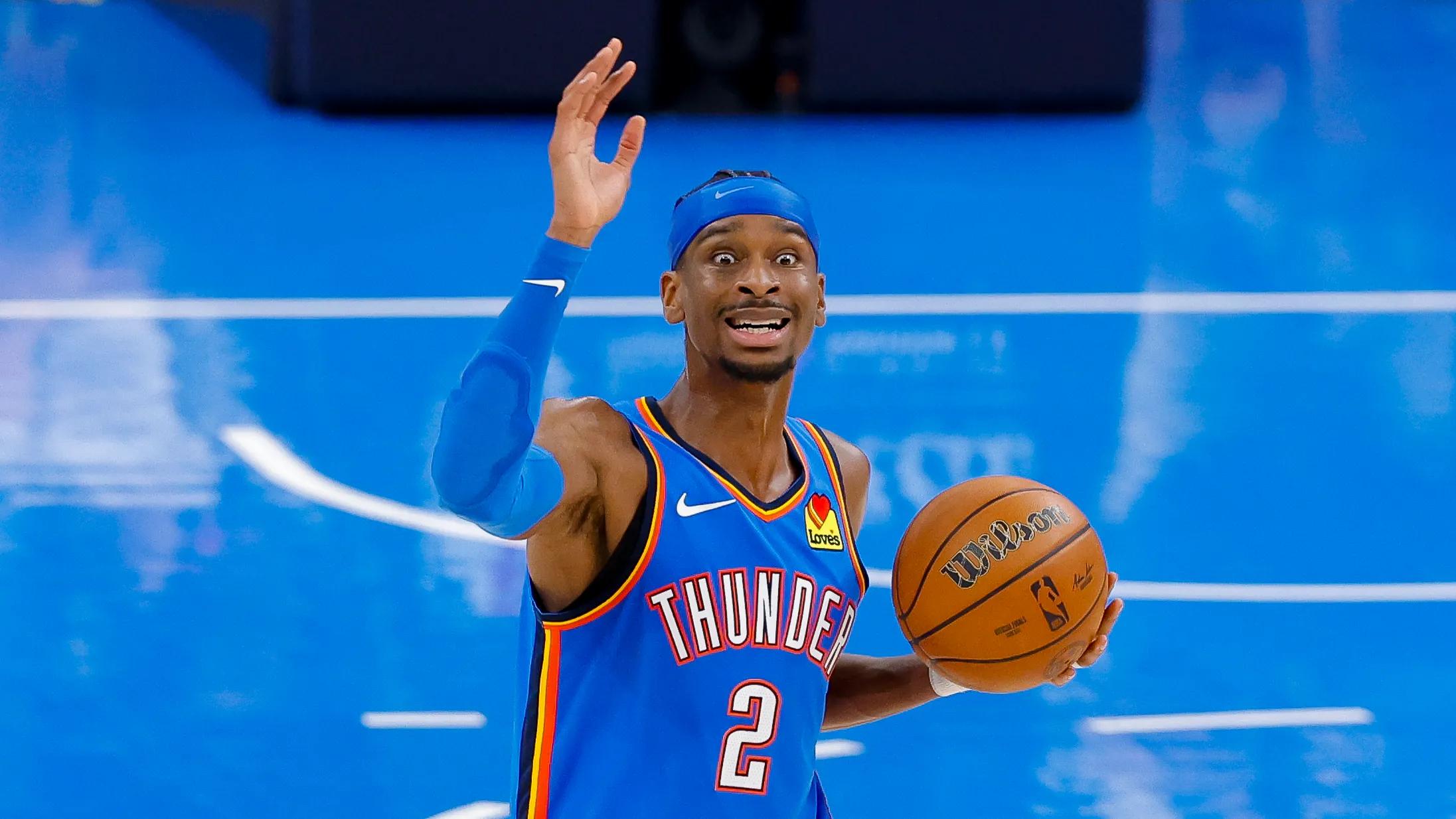
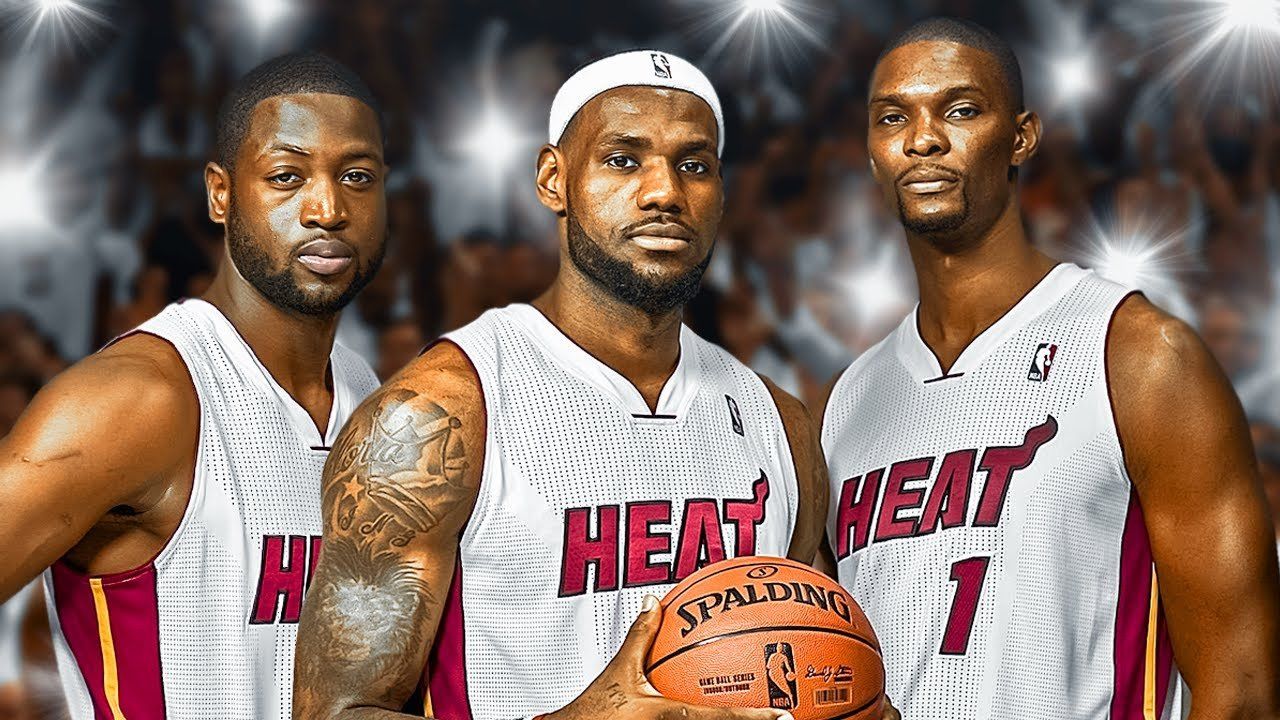
For years, the NBA was dominated by top-heavy rosters built on stacking stars. Think the Heat’s Big Three, the Durant-era Warriors, or the Nets’ short-lived experiment. Now, under the new CBA, that model leaves rosters dangerously thin outside those stars. The new CBA was designed with one common thread in mind: to stop superteams, curb tanking, and restore parity across the league. At the heart of the agreement are two spending thresholds known as the first apron and the second apron.
The Outliers:
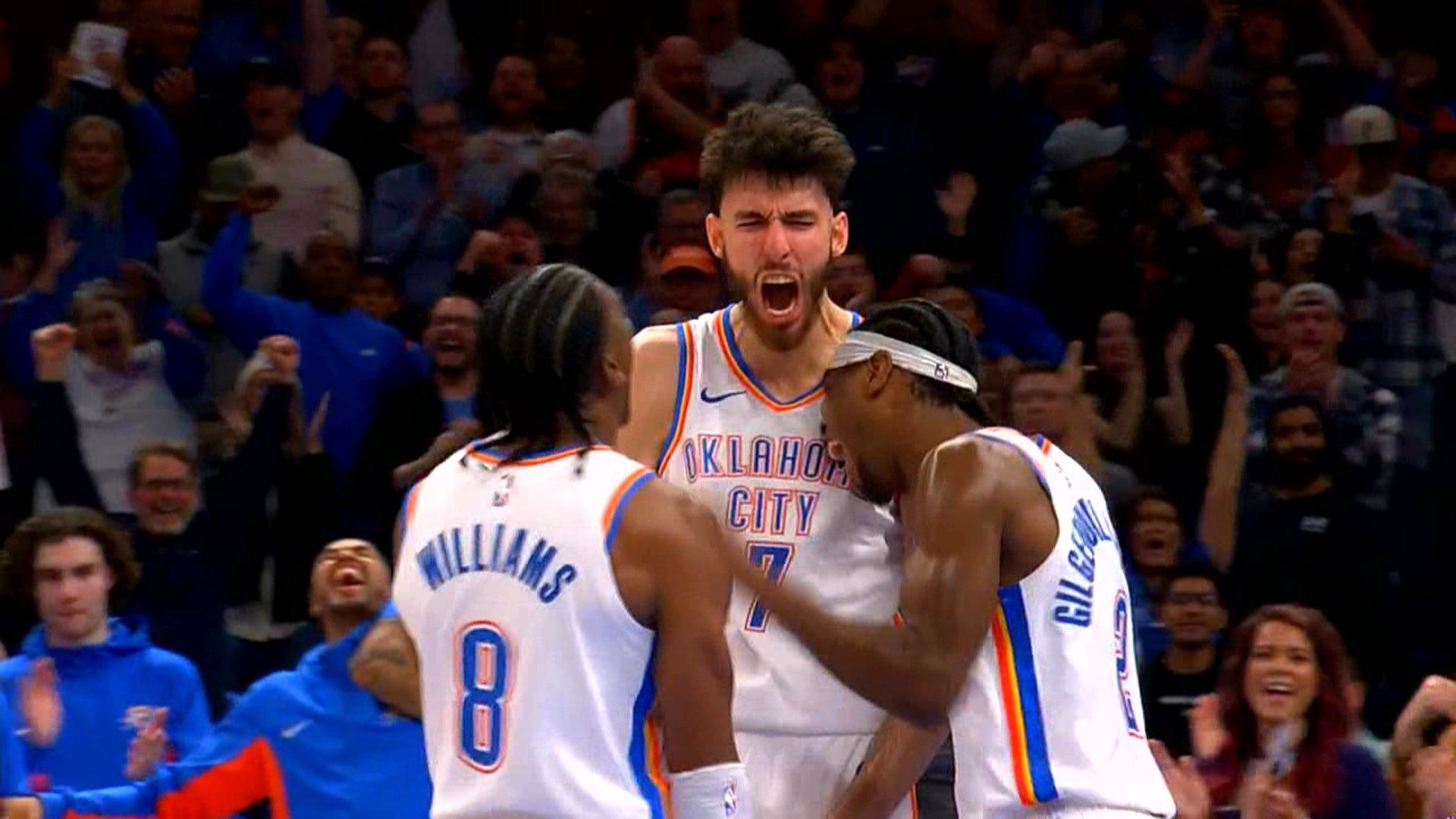
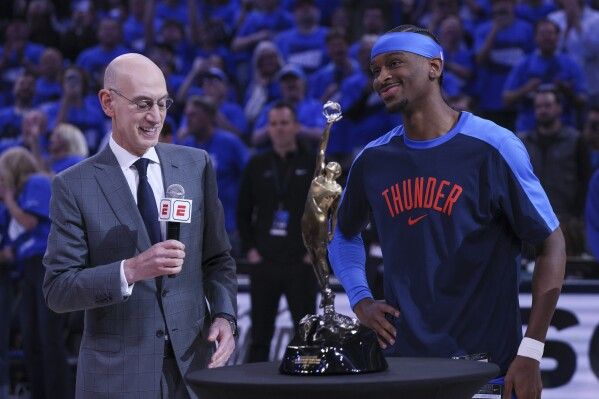
The NBA’s new Collective Bargaining Agreement (CBA) made building superteams harder & It forced teams to choose their identity early and pay to keep it. OKC built that identity over the past few seasons and capped it with an incredible 68-win regular season and securing the franchise’s first-ever NBA championship. Within weeks of the title, Sam Presti and the Thunder front office handed out record extensions to Shai Gilgeous-Alexander, Chet Holmgren, and Jalen Williams worth a combined $822 million, making Shai the highest-paid player annually in league history. For a small-market team once haunted by the decision to break up a young core of James Harden, Kevin Durant, and Russell Westbrook, they understood they could not make the same mistake twice. Developing your own talent is now paramount to keeping a deep championship roster together in an NBA that punishes churn and rewards stability, especially under the new CBA.
Understanding the Aprons:
The first apron is a salary cap threshold that limits a team’s flexibility once crossed. Teams over it lose access to the Mid-Level Exception, which lets over-the-cap teams sign or trade for quality players, and they face stricter trade rules that prevent them from taking back more salary than they send out. Crossing the first apron effectively acts as a hard cap for the season, forcing teams to be much more careful about adding new talent and making transactions far more difficult.
The second apron is even stricter. Once over it, teams are also subject to all first-apron limitations. As well as, they cannot trade certain future first-round picks, are blocked from signing buyout players who earned more than the mid-level earlier that season, and cannot send cash in trades. They also lose access to the Taxpayer Mid-Level Exception, a smaller exception that still helps secure veteran talent. Teams can only exceed the second apron in two out of any four years before facing even harsher penalties, such as frozen draft picks. These rules were designed to prevent teams from stacking stars and gaming the cap, forcing them to build rosters in a much more limited, disciplined way.
Impacts of the New CBA:
Another noticeable change has been on free agency itself. With apron restrictions making it harder to add outside talent, teams are prioritizing extensions to lock in their own players before they ever hit the market. Splashy signings have become rare. Instead, there’s a rush to secure long-term deals before the cap rules clip a team’s wings. The Thunder saw that coming and moved fast to keep their core together before the financial walls closed in.
You can already see how the new CBA is punishing teams that pushed their spending without enough flexibility. Phoenix is the prime example of what not to do. They impulsively committed massive money to Kevin Durant and took on Bradley Beal’s $50+ million no-trade clause contract, pushing themselves deep into the second apron. Two years later, they are left with a Durant-sized hole and an unsolvable Brad Beal problem, and no way to (materially) improve the roster.
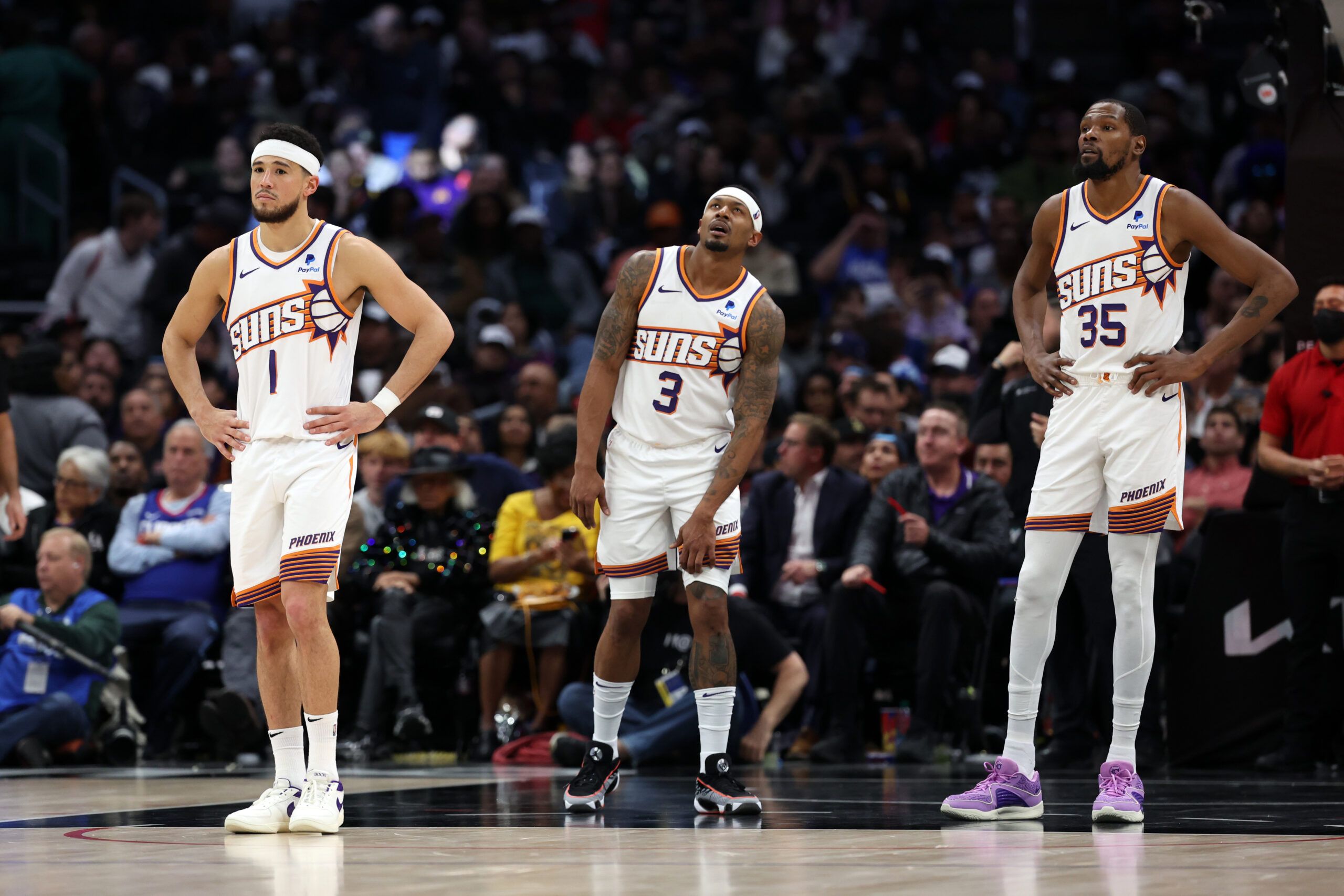
Even a team like Denver, with a more careful approach, still felt the pressure. They had to watch key rotation players leave in free agency, unable to match offers without blowing past the apron and sacrificing future options.

But it is not just flashy misfires or poor planning teams that face restrictions. The CBA has made every contender more fragile. With injuries and major cap hits, even safe bets and well-built rosters can see their seasons derailed. The Celtics, as recently as this postseason, were considered an unbeatable and perfectly crafted team, traded Jrue Holiday and Kristaps Porziņģis to reset the repeater tax and avoid the aprons in a year when they would not be as competitive (Due to Tatum Injury). Milwaukee made an unprecedented move by waiving and stretching Damian Lillard’s $100+ million contract over five years to clear room under the hard cap to sign Myles Turner, a desperation play to keep Giannis happy. The Pacers, after a magical postseason run, chose to step back and avoid the luxury tax despite being one game away from an NBA championship, letting Myles Turner walk for nothing. It is a new era for both teams and players and it has added a new wrinkle into NBA roster construction
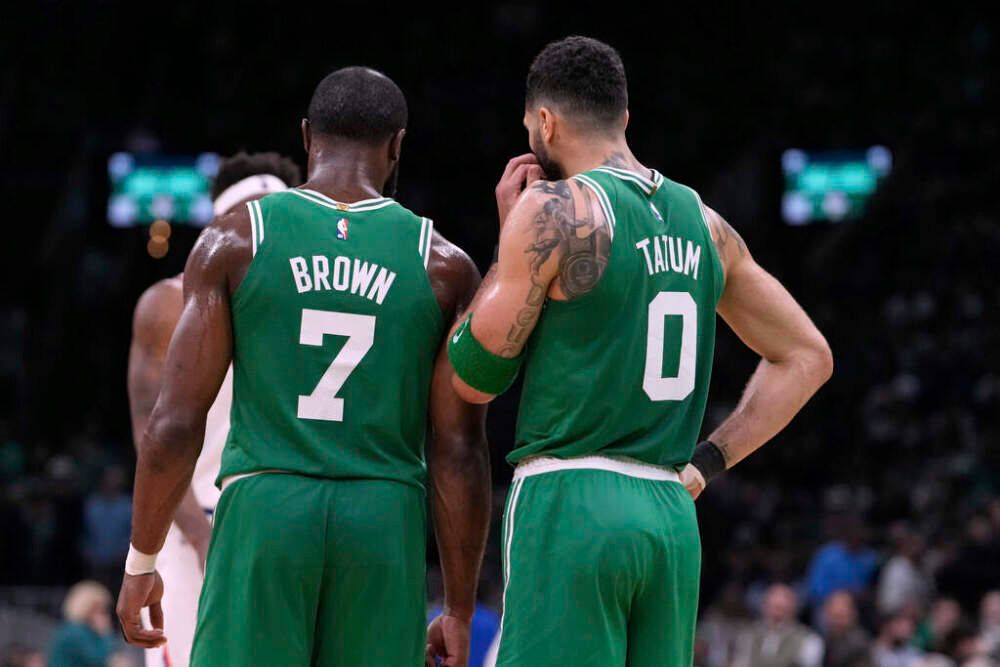
The CBA forces teams to make challenging decisions, often sacrificing talent just to avoid restrictions & satisfy the system’s rules. Teams end up more focused on avoiding penalties than on building the best roster. That is what makes Oklahoma City’s decisive, early, asset-rich commitment to their core so powerful.
The Third Apron: OKC
Oklahoma City is not just surviving under the new CBA; they are showing everyone else the blueprint. They built one of the league’s deepest stockpiles of draft picks, and posess flexibility few teams can match.
The Paul George trade was the foundation of that haul, landing them Shai Gilgeous-Alexander. With those assets, they drafted and developed Chet Holmgren and Jalen Williams into stars. Each of those players has now signed massive $250 million–plus extensions. While the core of their strategy has been building from the ground up, they are also willing to be aggressive, last summer signing Isaiah Hartenstein and trading for Alex Caruso bringing proven defensive guys and playoff toughness. Both moves used their cap space and surplus assets wisely, strengthening the roster without sacrificing future flexibility.
Like every team, they will eventually face tough choices about moving on from role players once their paydays arrive. Under the new CBA, even a well-built roster cannot afford to keep everyone forever without hitting apron penalties. They will have to decide who fits long-term and be willing to let others walk or trade them to avoid getting locked in. Mid-level exception–type role players will have to be replaced by younger, cheaper talent. Fortunately for the Thunder, they will be developing that next wave even as they look to reign over the NBA, with a treasure chest of assets available to help make any deal that gets them where they need to be.
The new CBA was designed to kill superteams by adding road blocks to roster construction, forcing teams to plan carefully, commit early, as well as live with those choices. Oklahoma City has shown that embracing those constraints is not just necessary but can be the foundation for building a lasting contender.