Election Day is no longer just about voters, campaigns, and pollsters. It's also about traders putting serious money behind their predictions.
Nearly $1.9 billion in trading volume had been recorded across Kalshi and Polymarket's 2026 midterm election markets by Monday evening, according to a Washington Post analysis. Roughly $1.3 billion came from Kalshi and another $600 million from Polymarket. These figures represent trading activity, not the amount of money deposited or lost by users.
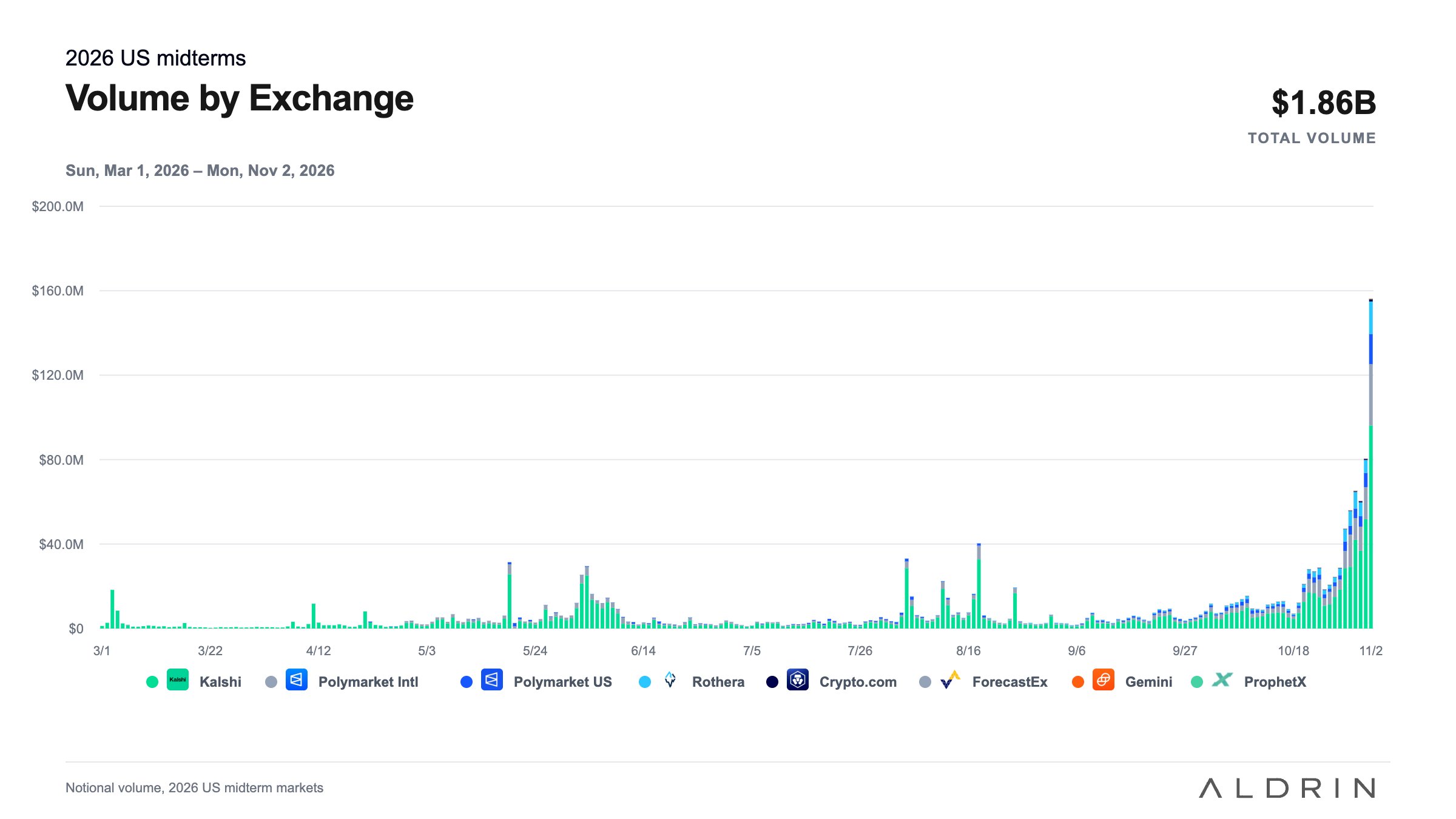
The appeal is obvious. Prediction markets give participants a financial incentive to research outcomes, challenge conventional wisdom, and identify information others might overlook. But as these platforms become increasingly influential in how Americans interpret elections, a more complicated question emerges: Who is making sure the markets are fair, and who is protecting the people trading on them?
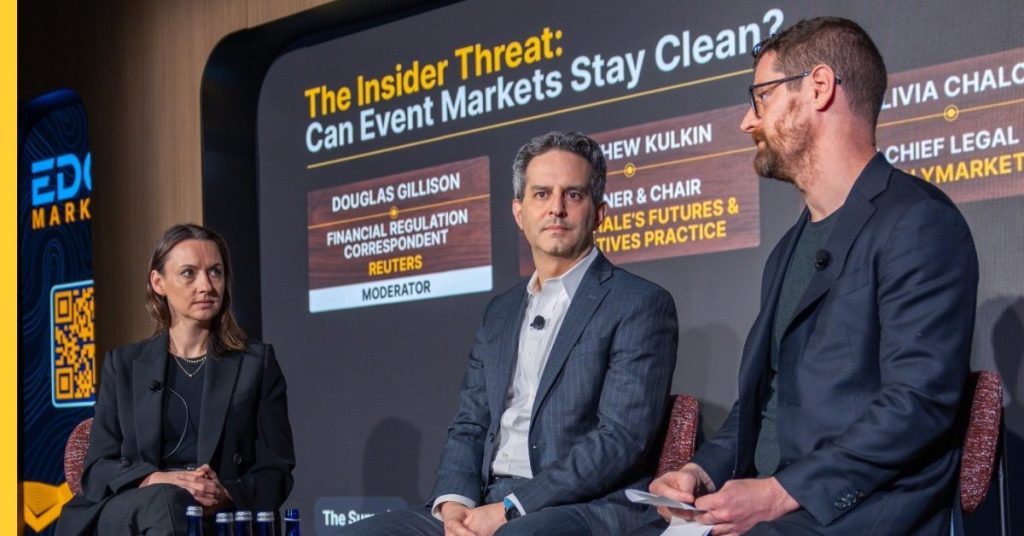
That question was at the center of a NEXTPredict NYC panel titled The Insider Threat: Can Event Markets Stay Clean? Moderated by Reuters financial regulation correspondent Douglass Gillison, the discussion featured Matthew Kulkin, chair of WilmerHale's Futures and Derivatives Practice, and Olivia Chalos, deputy chief legal officer at Polymarket.
When Does Having an Edge Become Insider Trading?
In traditional financial markets, insider trading is a familiar problem. Prediction markets introduce different challenges because the information determining an outcome can come from almost anywhere.
Kulkin emphasized that insider trading isn't new. Regulators have spent decades investigating and prosecuting misconduct, and event contracts are not entirely outside that existing legal framework. The key distinction is between information someone independently discovers and confidential information they have a duty not to misuse.
Consider the French trader who reportedly made approximately $80 million betting on Donald Trump's 2024 presidential victory. Rather than relying solely on conventional polling, he commissioned his own research to identify weaknesses in prevailing forecasts. That's exactly the kind of informed participation prediction markets are designed to encourage.
But what happens when a campaign employee trades on private polling, or someone capable of influencing an election takes a position on its outcome?
Chalos highlighted a concern unique to political markets: Participants might not simply possess inside information. They could have an incentive to influence the outcome itself or manipulate market prices to shape public perception. The objective isn't to prevent informed traders from making money, but to distinguish legitimate research from misconduct and conflicts of interest.
The Surveillance Challenge
During the panel, Chalos explained that Polymarket's U.S. exchange screens for politicians, campaign workers, and others who could possess sensitive information. But identifying those individuals is only the beginning, since someone with inside knowledge could arrange for another person to trade on their behalf.
That's why Polymarket also monitors behavioral patterns for suspicious activity warranting investigation. Chalos described how blockchain records on its international platform can help investigators trace unusual trades and associated funding activity.
Kulkin emphasized the importance of the Commodity Futures Trading Commission (CFTC), which oversees federally regulated derivatives exchanges. Those exchanges have frontline responsibilities for surveillance and enforcing trading rules, but Kulkin argued the agency itself needs more personnel and resources to handle its expanding responsibilities.
The concern isn't theoretical. Kalshi has already taken action against candidates trading on their own elections, demonstrating how quickly conflicts of interest can become real enforcement matters. And while the CFTC can pursue civil enforcement, criminal cases require involvement from authorities such as the Department of Justice.
A market cannot rely on participants to behave responsibly. It needs credible surveillance, enforceable rules, and meaningful consequences when those rules are broken.
Market Integrity Is Only Half the Equation
Preventing insider trading protects the integrity of an exchange, but protecting its users is equally important. Chalos acknowledged this during the panel, identifying the rapid growth of retail participation, particularly among inexperienced traders, as one of the industry's biggest challenges.
Brazil's recent presidential election offered a striking example. On October 25, Luiz Inácio Lula da Silva defeated Flávio Bolsonaro despite Polymarket assigning Bolsonaro more than an 80% chance of victory. Traders who backed him and held their contracts through settlement lost their entire stake, with reports of substantial financial losses following the election.
The markets weren't necessarily broken. An outcome assigned a 20% probability can still happen. But a market can function exactly as designed while its participants experience devastating financial consequences.
That's why responsible gambling protections deserve a central role in prediction markets. Whether betting on an NFL game or trading an election contract, consumers are risking money on uncertain outcomes. Deposit limits, cooling-off periods, self-exclusion programs, and clear risk disclosures should complement existing financial oversight.
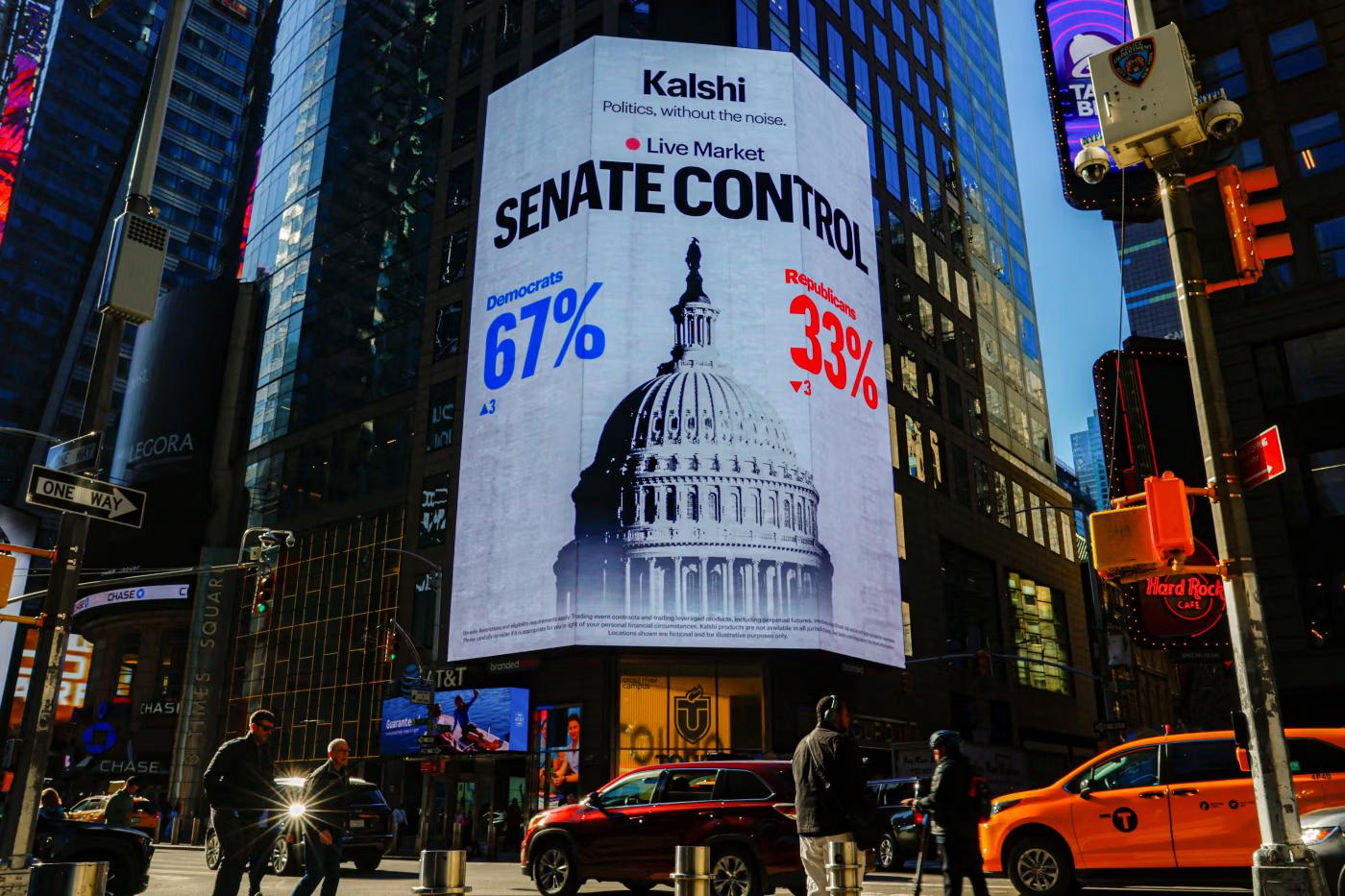
Prediction markets have enormous potential to improve information discovery and expand into new categories, but market integrity and consumer protection must evolve together. The lesson from regulated sports betting isn't that innovation should be restricted, but that industries handling billions in consumer activity need serious standards for fairness, accountability, and responsible participation.
Election Day is demonstrating just how influential prediction markets have become. The industry's next challenge is proving its protections can keep pace with its growth.
