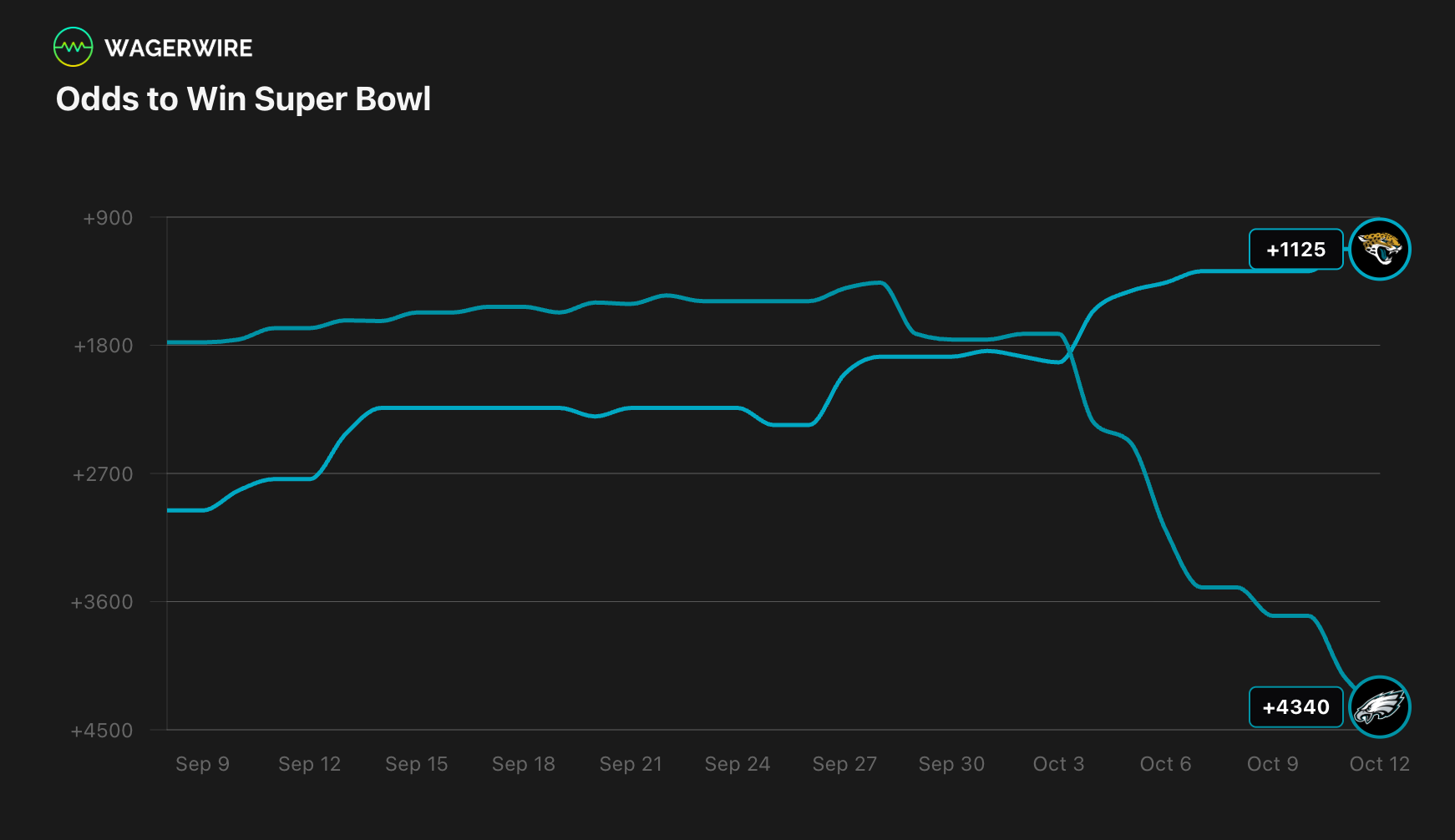
Jake Elliott's 48-yard field goal with eight seconds left looked like the kind of kick that saves a season's worst week. Lane Johnson had just retired. Cam Jurgens had just been traded. Saquon Barkley and DeVonta Smith were both out, and Philadelphia was a touchdown-plus underdog in London. For a few seconds, a 17-16 lead made all of that irrelevant.
Then came the decision that undid it. Instead of kicking away for a touchback, which ends the game outright, Philadelphia kicked it in bounds to Ameer Abdullah. That choice is the whole story.
A Touchback Wins the Game. A Live Kick Is a Gift.
With one point and eight seconds on the clock, there is no version of the math where handing a returner a lane makes sense. A touchback is final. A live kickoff is an invitation, and Abdullah knew exactly what to do with his. He understood he had roughly six seconds before he needed to go down, and he used all of it, returning the ball 53 yards and putting Jacksonville in position to win outright.
Cam Little did the rest, drilling a 57-yarder as time expired. The sequence made this the first game in the Super Bowl era, regular season or playoffs, to feature two go-ahead field goals in the final 10 seconds of regulation. One of those field goals should never have had the chance to happen.
Philadelphia's coverage unit, it's worth noting, wasn't even at full strength for that kick. Linebacker Jeremiah Trotter Jr. had been ejected in the first quarter after a scuffle following a 90-yard kickoff return touchdown that got wiped out by penalty. That's the exact unit asked to execute a short kickoff cleanly, already thinned out by an early ejection.
The Clock Management Before the Kick Set the Trap
The decision to kick short didn't happen in isolation. Philadelphia threw the ball on first and second down inside 30 seconds, stopping the clock both times, before finally running it on third. Jacksonville burned its last timeout with 12 seconds left, which is how Philadelphia ended up with eight seconds to defend instead of a cleaner finish or no time at all.
The logic for throwing instead of kneeling makes sense on its own terms: a scramble or a bad snap on a knee-down play can lose yardage and push a field goal out of range. But that choice directly created the situation where eight seconds, and therefore a live kickoff with room to operate, were still on the board when Elliott's kick went through. Every decision in that final minute fed into the next one, and the last one was the only one that didn't need to be made the way it was.
The Finish Belonged to Two Players Who Weren't Supposed to Be Featured
Little's 57-yarder came off a snap from DaVon Hamilton, a defensive tackle who'd been filling in at long snapper since the first quarter after Jacksonville's regular snapper went down hurt. An emergency long snapper and a kick returner playing out the final seconds of regulation combined to beat a team that had just taken the lead eight seconds earlier. Jacksonville also racked up 13 penalties for 100 yards for the second straight week, beating itself in the margins most of the way.
None of that changes what decided the game. Philadelphia had a one-point lead and the ball firmly out of Jacksonville's hands. All it had to do was not give it back. The kickoff did, and Abdullah and Little made sure it never came back.